


Column
From Early Leadership to Plastic Crisis: Bangladesh’s Environmental Disconnect

An Independent Newsweekly
Column
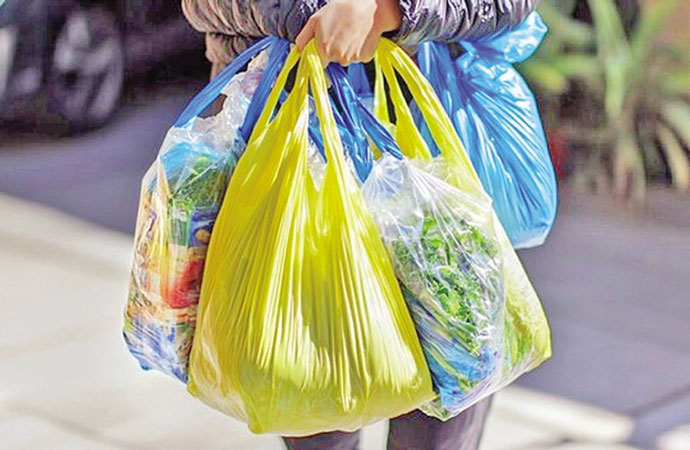
Image; Collected
Bangladesh once earned recognition for restricting thin polythene bags, yet plastic pollution today chokes its rivers, drains, wetlands, and cities. The crisis has moved beyond waste management into a broader challenge of governance, civic behaviour, climate resilience, and environmental sustainability.
An Early Environmental Initiative Losing Momentum
In 2002, Bangladesh imposed restrictions on thin polythene shopping bags after devastating floods exposed how plastic waste blocked urban drainage systems. The move placed Bangladesh among the early countries to act against harmful plastic use and reflected significant environmental awareness for a developing nation. More than two decades later, however, the reality tells a different story. Thin plastic bags remain widely used in markets, roadside shops, and urban commercial centres. Bangladesh currently generates nearly one million tonnes of plastic waste annually, while Dhaka alone produces around 646 tonnes of plastic waste daily. Rapid urbanisation, food delivery services, packaged consumer goods, and changing lifestyles have sharply increased plastic consumption over the last fifteen years. What once appeared to be a visionary environmental policy gradually weakened because of inconsistent enforcement, weak monitoring, and insufficient long-term planning.
Existing Laws but Weak Implementation
Bangladesh already possesses several legal and policy instruments to combat plastic pollution. The Environment Conservation Act 1995 and Environment Conservation Rules 1997 established the country's core legal framework for environmental protection and pollution control. In 2002, following severe urban flooding linked to blocked drainage systems, the government-imposed restrictions on thin polythene shopping bags. Later, the Mandatory Jute Packaging Act 2010 sought to reduce plastic dependency by promoting jute packaging for selected commodities. In addition, the Solid Waste Management Rules and directives of the Department of Environment address waste disposal, recycling, and environmental compliance. Yet enforcement remains weak and inconsistent. As a result, the widening gap between policy and implementation has emerged as one of Bangladesh's major environmental governance failures.
Plastic Consumption: The Real Problem Is Management
Bangladesh's per capita plastic consumption remains lower than many advanced Asian countries, yet the environmental consequences are far more severe. Annual plastic consumption in Bangladesh is estimated at around 9-10 kilograms per person. India consumes roughly 11-13 kilograms per capita, while China exceeds 60 kilograms because of its massive industrial economy. Japan and South Korea each consume more than 80 kilograms of plastic per person annually, among the highest levels in Asia. Singapore also maintains very high plastic usage despite limited land availability. The difference lies not merely in consumption but in post-consumption management. Countries such as Japan, South Korea, and Singapore maintain disciplined waste segregation systems, advanced recycling facilities, and strict environmental enforcement. Bangladesh, by contrast, struggles with open dumping, weak recycling infrastructure, blocked drains, and low public awareness. As a result, Bangladesh suffers disproportionately from plastic pollution despite comparatively lower plastic consumption levels.
Plastic Pollution Is Becoming a National Threat
In Dhaka and Chattogram, plastic waste frequently blocks canals and drains, worsening waterlogging during monsoon seasons. Flooding in urban areas is therefore no longer caused only by poor infrastructure; irresponsible waste disposal has become a major contributing factor. Bangladesh also contributes significantly to plastic leakage into the Bay of Bengal through its river systems. Polluted rivers threaten aquatic biodiversity and fisheries, while plastic-contaminated agricultural land gradually loses environmental quality. Microplastics are now entering food chains and water systems. International studies have already detected microplastics in fish, salt, bottled water, and even human bloodstreams, raising growing concerns about long-term health impacts.
The Core Weakness: Behaviour and Weak Enforcement
Bangladesh does not lack laws; it lacks effective implementation and public discipline.
Plastic waste is routinely thrown into drains, canals, rivers, and roadsides with little civic concern. Environmental responsibility has yet to become part of everyday social behaviour. Ironically, Bangladesh has successfully transformed public behaviour in areas such as sanitation, immunisation, family planning, and female education through sustained national campaigns and grassroots engagement. Environmental protection now requires a similarly coordinated national movement.
Why Sustainable Alternatives Remain Limited
Another challenge is the limited availability of affordable alternatives. Consumers continue using plastic because eco-friendly substitutes often remain comparatively expensive or inaccessible. Without practical alternatives, behavioural change becomes difficult. Bangladesh, however, possesses a major advantage through its jute sector. Jute-based bags and biodegradable packaging could reduce plastic dependency while supporting rural employment and export growth. Yet eco-friendly industries still lack sufficient incentives, investment support, and commercial integration.
What Bangladesh Must Do
• Enforce laws strictly. Illegal production and use of banned polythene bags must face continuous monitoring, mobile courts, and strong penalties.
• Expand affordable alternatives. Jute, paper, cloth, and biodegradable packaging must become accessible and commercially viable.
• Drive nationwide awareness. Media, schools, mosques, and local institutions should educate citizens on the direct link between plastic waste, flooding, pollution, and health risks.
• Embed environmental education. Recycling, waste discipline, and environmental responsibility should become part of mainstream education from an early stage.
• Modernise waste management. Improved waste collection, segregation, recycling facilities, and scientific landfill systems are urgently needed.
• Ensure corporate accountability. Industries and businesses must reduce single-use plastics and adopt sustainable packaging practices.
• Mobilise communities. Youth groups, local communities, and civil society should actively participate in waste management and clean-up initiatives.
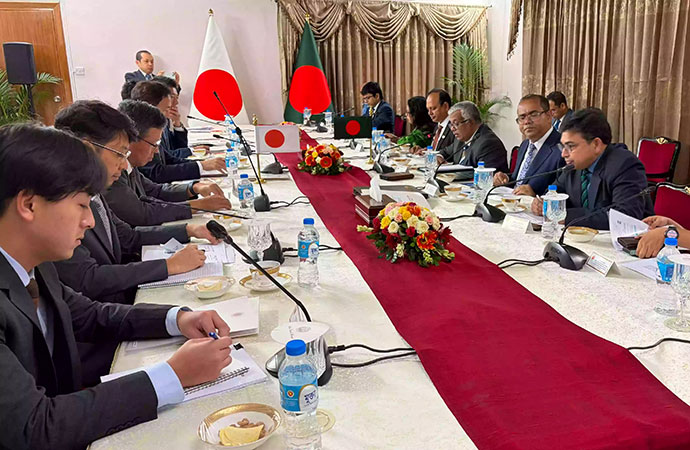
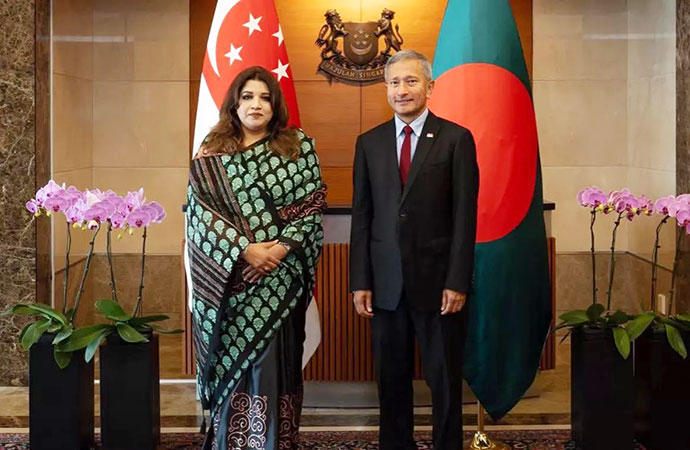
• Learn from successful Asian models. Bangladesh should adapt practical lessons from Japan, South Korea, Singapore, and India.
• Strengthen research and monitoring. Reliable data on plastic waste, recycling, and river pollution must guide policymaking.
• Build environmental discipline. Long-term success depends on turning environmental protection into a national civic culture.
A Test of National Responsibility
Bangladesh once demonstrated environmental foresight by acting early against harmful polythene use. The challenge now is whether the country can regain that leadership through effective implementation, public participation, and sustainable planning. Economic growth alone cannot ensure a sustainable future if environmental degradation continues unchecked. Protecting rivers, cities, agricultural land, and public health will require collective responsibility from both institutions and citizens alike.
A Independent Newsweekly
© Copyright 2026 | Designed by ARK Reepon & Developed by Cosmos Group Software Team





Leave a Comment
Recent Posts
The right time for an apology
The publication of the posthumous memoirs of lawyer Abdur Razzaq, who ...
Human rights experts commissio ...
Human rights experts commissioned by the UN’s top human rights b ...
Teesta erosion leaves several hundred families homel ..
Housing Without Houses: The Hidden Cost of Banglades ..
The Election Commission will review the timeframe
The story behind the Arafat brothers' ‘Kolpona’