


Column
Will Bangladesh Grow Old Before Its Youth Can Prosper?

An Independent Newsweekly






Column
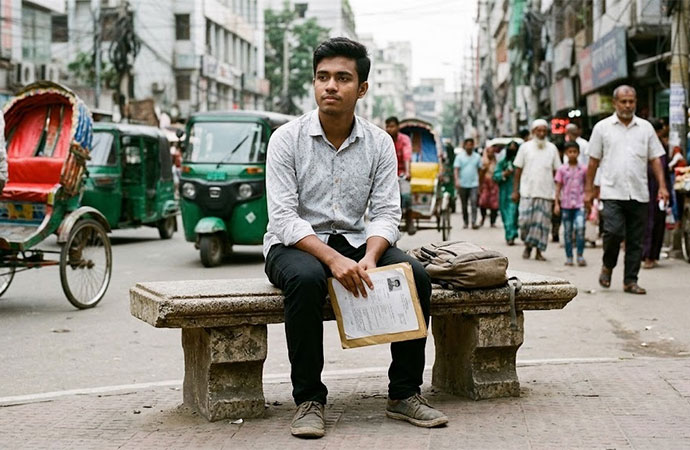
AI Generated Image
The stakes for today's youth
Bangladesh's youth will age regardless of whether they find productive work. Will they reach middle age with the skills, earnings and savings to support themselves, their families and an ageing nation? Missed opportunities now could leave a generation financially insecure when its contribution is most needed.
A narrowing demographic window
World Bank findings reported by The Daily Star project that Bangladesh's working-age population share will peak in 2045 and the country will become an aged society by 2051. Action is urgent: building workforce capabilities and financial security takes decades.
From learning to productive work
Bangladesh's demographic opportunity depends on helping young people move from education to relevant skills and productive employment. That requires connected pathways: support to recover lost learning, preparation for further study or training, and opportunities to put skills to work.
Examination results reveal gaps in learning
This year, 594,113 candidates failed HSC and equivalent examinations across 11 boards. The pass rate declined from 58.83 percent in 2025 to 52.12 percent, and no candidate passed at 293 institutions. Those who did not pass need credible pathways to recover lost learning and continue into education or employment. TBS reported 243,528 failures in English and 138,493 in ICT this year. Some candidates may have failed both subjects, so the totals cannot be added together. These results warrant closer scrutiny of teaching quality, practical facilities and students' understanding.
Build stronger foundations before HSC
Learning gaps begin well before the HSC examinations. UNICEF's Bangladesh data show that, among children aged 7-14, 50.2 percent have foundational reading skills and 39.2 percent have foundational numeracy skills. These figures describe younger children, not HSC candidates, but they underscore the importance of addressing learning gaps early.
Qualifications are not translating into jobs
The BBS Labour Force Survey 2024 recorded about 885,000 unemployed graduates and an unemployment rate of 13.5 percent among the tertiary-educated labour force. My TBS article, "Graduate glut: Bangladesh's demographic dividend is slipping away" (6 February 2026), examined this widening gap between qualifications and employment. The graduate unemployment figures and HSC results cover different years and populations, so they should not be treated as directly comparable. Together, however, they highlight barriers at distinct stages: weak foundations can hinder further learning, while qualifications alone do not guarantee productive work.
Delayed employment carries lasting costs
Drawing on BBS data, the government's Bangladesh State of the Economy 2025 reports worsening youth outcomes between 2023 and 2024:
• Youth unemployment increased from 7.25 percent to 8.07 percent.
• The share of youth outside employment, education and training increased from 18.9 percent to 20.3 percent.
Years without productive work delay savings, limit experience and prolong dependence on families. These disadvantages can deepen with age. An ageing Bangladesh will need productive workers, viable businesses and households able to meet growing care needs. Improving young people's prospects now is therefore also preparation for the country's future.
Government action and the coordination gap
Supplementary examinations for candidates who failed one or two subjects are scheduled for 2 December. The FY2026-27 budget speech proposed Tk 136,606 crore for education, or 2 percent of GDP. Both offer opportunities for recovery and improvement, but responsibility for young people's progression remains unclear. Colleges should assess learning gaps, training providers align courses with job demand, and employers offer supervised experience. A designated institution should coordinate and track progress, ensuring every programme provides a credible next step.
Begin with educational recovery
Within three months, authorities should require colleges to contact unsuccessful candidates, assess subject-specific gaps and provide targeted remedial teaching. Each college should appoint a teacher to guide students and monitor progress, offering advice on supplementary examinations, continued study and suitable technical programmes. Uphold standards while giving students a fair chance to meet them. Technical education should remain a respected option for all, not an automatic placement after examination failure.
Build district partnerships in 2027
In 2027, the government should pilot coordinated services through existing institutions in districts with varied economies. Colleges, technical centres, employment services, chambers and employers should collaborate under an existing office with a clear mandate and a named accountable official. Referrals should reflect participants' qualifications, interests and learning needs, with services available in person and digitally.
Link skills to employment
In 2027-2028, participating institutions should partner with employers where occupational demand is identifiable. Paid apprenticeships should specify supervision, safety, duration and competencies. Public support should require verified learning, fair treatment and safeguards against replacing regular staff with successive subsidised trainees. Training alone cannot create jobs: district partnerships should identify business-expansion barriers, including unreliable energy, financing and delayed approvals, and seek responses within agreed deadlines. Safe transport, workplace protection and childcare should support women's participation; poorer learners may need travel and training assistance.
Measure outcomes and guide expansion
By December 2027, pilot districts should report how many participants resumed education, entered training, started apprenticeships or found employment. Follow-up at six and twelve months should assess retention, earnings and skills use. Universities should publish reliable graduate outcomes. Independent evaluation should guide expansion in 2028-2030, with weak programmes redesigned before further funding. Bangladesh cannot delay ageing, but it can improve how people age by helping students resume learning and youth enter productive work. Their prosperity before old age depends largely on opportunities created now.
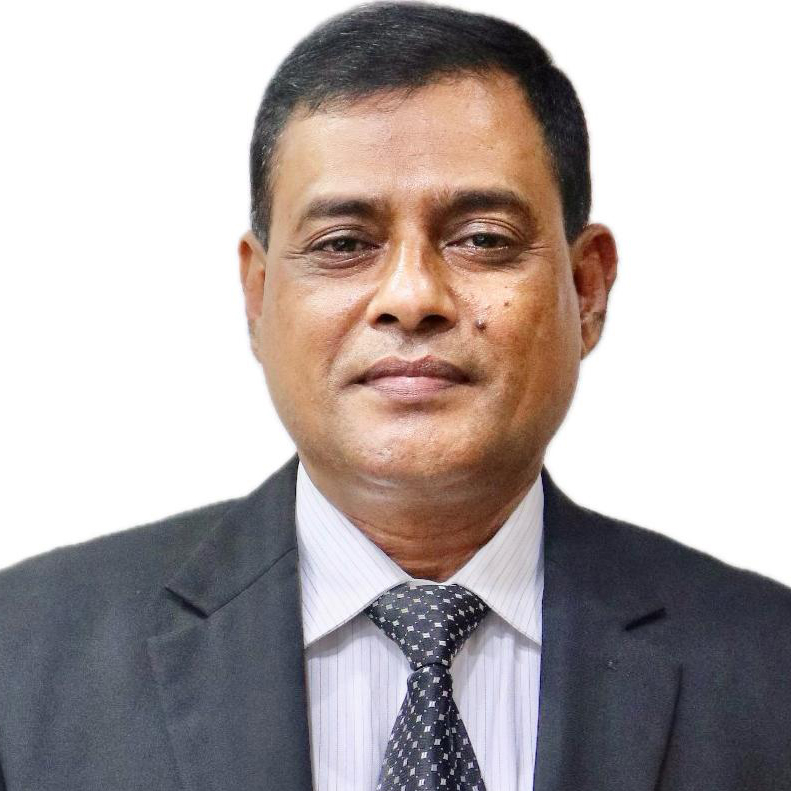
Md. Nazrul Islam, PhD, is a retired Major General from Bangladesh Army. He was the Executive Chairman of BEPZA and also served in BEZA. He is a regular columnist and writes on technology, workforce transformation and industrial competitiveness. He is the author of Zi-DoNa Trilogy, a book on self-development.
A Independent Newsweekly
© Copyright 2026 | Designed by ARK Reepon & Developed by Cosmos Group Software Team









Leave a Comment
Recent Posts
A political earthquake in Amer ...
The American midterm elections have delivered a resounding political r ...
‘A beautifully American story’ ...
Campaigning relentlessly across Michigan, Abdul El-Sayed didn’t ...
Consumers fear paying Tk 2500 for 12-kg LPG cylinder ..
UNB Chief Editor mourns death of Bogura corresponden ..
Enayetullah Khan attends FICAC 2026 North America Re ..
Democrats won control of both chambers of Congress i ..