


Column
Yellow Journalism: How Much Is Too Much?

An Independent Newsweekly

Column
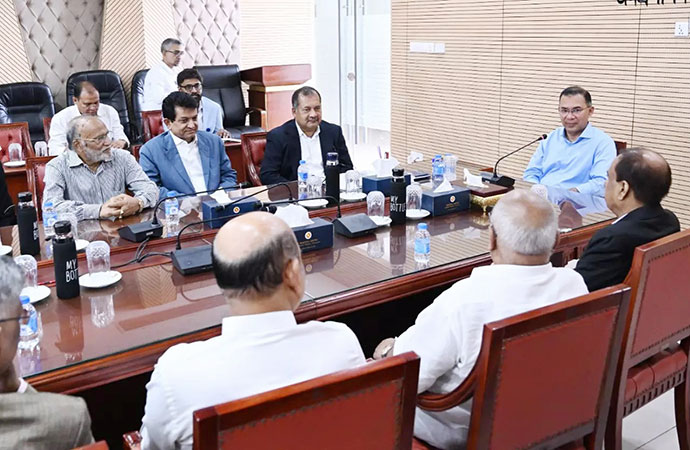
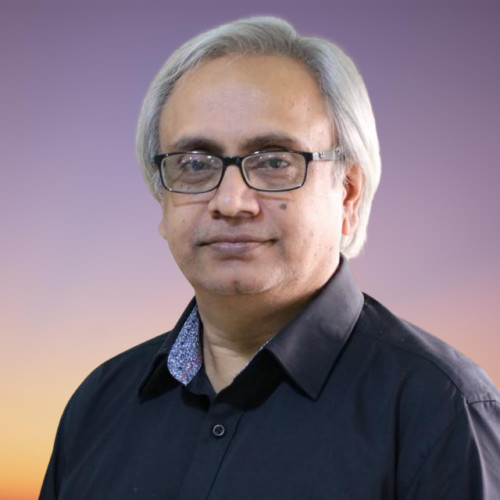
Image: Courtesy
‘A critical, independent and investigative press is the lifeblood of any democracy’: Nelson Mandela
In a society like ours, journalists often fall victim to violence and harassment, and the trend continues. While the focus is often on the harassment of journalists, traditional 'yellow journalism' can also amount to harassment of individuals in many ways.
One fine morning, a BCS cadre medical officer found his name circulating on social media accusing him and his family members of being behind the death of their former housemaid. Shocked by the incident, he called a senior journalist who happens to be his relative.
It was a video story released by a prominent TV channel in Bangladesh with unsubstantiated information that went viral.
The senior journalist who was contacted by the physician in point talked to the TV channel owner and discussed how unprofessionally they handled the incident damaging the image of a physician.
Insisted to withdraw the video story, the TV channel managing director told the negotiating journalist, "Don't worry, we'll rerun the story with authentic information," prompting the journalist to say, "The damage has already been done - are you trying to bring it back into the limelight to gain more views?
These days some media are reckless as they go for 'sensationalism' over journalism, I mean accuracy. The way readers and viewers are misguided through character assassination that may lead to a disgraceful erosion of trust in Bangladesh's media industry.
Is this called yellow journalism? Senior journalists call it even worse than yellow journalism. "Yellow journalism is a style of newspaper reporting that emphasises sensationalism over facts."
Reckless media behaviour often stems from false information, causing confusion, prioritising sensational stories over in-depth, accurate analysis impacts the quality of reporting. Some media outlets show intense bias, ignoring the ethical issues. Reckless, non-discerning engagement often turns social media into a toxic space, which can fuel harmful call-out cultures.
This is how many unprofessional and unregistered media outlets are run in Bangladesh. And the trend has taken a turn for the worse when some mainstream media have chosen the path of social media. To tackle the situation, fact-checking is very important.
No one should be against professional journalism; neither are we. But it is all about achieving the standards and maintaining that. It is only the quality journalism that can help democracy take an institutional shape.
Democracy cannot flourish in a society where the free flow of information is obstructed, criticism is feared and journalists work under intimidation. Sensible journalism not only strengthens institutions but also deepens public trust and protects the rights of the people.
"Our liberty depends on the freedom of the press," Thomas Jefferson once said. What Jefferson said in 1786 is still relevant. But the fact is that journalism has suffered a serious setback after the emergence of social media and its unprecedented spread. This is a kind of paradox. There was a time when people had little access to information, but whatever they had they had the authentic one.
This is true that technology has made journalistic work much easier compared to the exercise in the past, but not real journalism, as these days an increased number of people seek protection from online abuse. Now it is time to think about it seriously, as it fuels disinformation and creates scopes for targeted attacks.
On April 22, 2026, Prime Minister Tarique Rahman had a meeting with leaders of the Newspapers Owners' Association of Bangladesh (NOAB) and they discussed various issues related to Bangladesh media.
During the meeting, the Prime Minister reassured the NOAB leaders that his government does not intend to create hostility with journalists or news organisations.
"I do not want to make anyone hostile," NOAB President Matiur Rahman Chowdhury quoted the Prime Minister as saying. This is a very good statement. No head of state or government has said this before," said Matiur Rahman, who is also the editor-in-chief of the Daily Manab Zamin.
The Bangladesh Nationalist Party (BNP), as it says in its election manifesto 2026, respects fearless and unbiased journalism. It says journalists serve as a crucial pillar of democracy. The party will certainly provide protection and recognition for their work.
This is true that journalists in Bangladesh face targeted surveillance and legal harassment. And this is also true that widespread disinformation campaigns, including AI-generated content, undermine the trusted sources of information flow. When online harassment spills over into physical threats, particularly targeting female journalists, then the consequences become far more serious.
Opportunities for journalists in this digital era have widened as they reach wider audiences faster.
It sounds great indeed that the current government feels the necessity of increased digital connectivity that empowers independent media and allows for a more vibrant diverse media ecosystem.
Amid the chaotic media landscape in Bangladesh, journalists stress the need to reform laws to match international standards for free expression in the digital realm and establish watchdogs and supporting independent, non-state-controlled media.
The people of Bangladesh have great expectations from the media and with that view in mind it could be said that the journalist community here should work together to uphold the dignity of journalism it has traditionally enjoyed. Let us make the yellow a great green.
Mahfuzur Rahman, Speech Writer to the Prime Minister
A Independent Newsweekly
© Copyright 2026 | Designed by ARK Reepon & Developed by Cosmos Group Software Team



Leave a Comment
Recent Posts
A Battle for the Soul of The N ...
Two disturbing incidents came to light this week, even as they went un ...
Dhaka seeks concrete measures ...
State Minister for Foreign Affairs Humaiun Kobir on Thursday urged Sou ...
Bangladesh Embassy in Ireland begins operations
Dinesh Trivedi stresses proper preparations before T ..
The Hope Deficit: Why Bangladesh’s Revolution Must M ..
Iqbal Bahar Chy: Finding freedom in the unplanned