


Featured 2
Why the ‘plastic crisis’ should be seen as a generational call to arms in the fight against pollution


An Independent Newsweekly




Featured 2
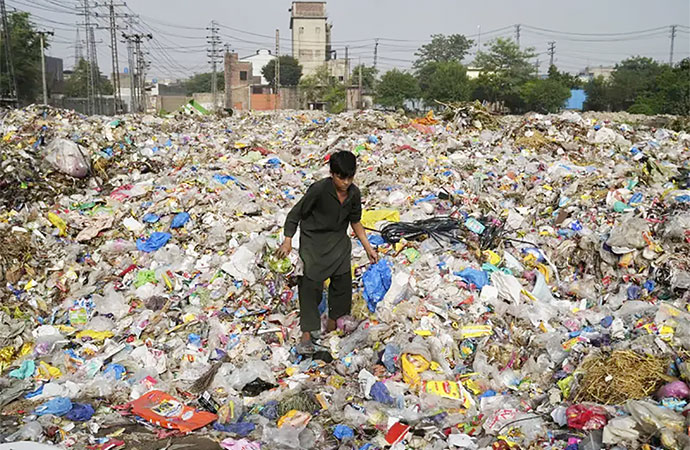
Photo: AP/UNB
In 2002, Bangladesh made global headlines by becoming the first country in the world to ban thin plastic shopping bags. It was a pioneering step towards environmental protection, driven in part by the role of plastic bags in clogging drainage systems and worsening flooding.
Yet, the decision had to be effectively recycled 22 years later from square one, which itself showed the abject failure across governments to implement the 2002 decision.
However, following the formation of the interim government in 2024, Environment, Forest and Climate Change Adviser Syeda Rizwana Hasan introduced strict measures to reduce single-use plastic, particularly polythene bags.
Key initiatives included banning plastic and polypropylene bags in superstores from October 1, 2024, and extending the ban to fresh markets nationwide from November 1, 2024. The government also launched countrywide enforcement drives, mobile court operations and raids on illegal polythene factories.
On September 5, 2024, the Cabinet Division directed ministries, divisions and public offices to avoid 17 designated single-use plastic items and replace plastic files, water bottles, banners and bags with paper, glass, cotton or jute alternatives.
Although the initiatives had brought success in some places, implementation remained challenging in fresh markets, where vendors and customers continued using inexpensive polythene bags despite the ban.
The lack of affordable, water-resistant alternatives for wet goods such as fish and meat also hindered progress. Meanwhile, a comprehensive Extended Producer Responsibility framework to hold major beverage and consumer-goods companies accountable for their plastic packaging remained under development.
Today, we are still fighting with plastic hazards and a short spell of rain can leave Dhaka's streets waterlogged, while the Buriganga River continues to bear the burden of pollution. The widespread use of plastic bags, despite the ban, exposes a troubling gap between environmental policy and its enforcement.
A material once hailed for its convenience has become a serious threat to our environment.
The scale of the problem is alarming. According to the World Bank's 2021 report, Towards a Multisectoral Action Plan for Sustainable Plastic Management in Bangladesh, annual per capita plastic consumption in Bangladesh's urban areas tripled from 3 kg in 2005 to 9 kg in 2020.
In Dhaka, the figure reached 22.5 kg per person annually. The report also highlighted the growing challenge of managing plastic waste in the capital. These are historical figures rather than current estimates, but they illustrate the scale of the problem Bangladesh must address.
In 2020, Dhaka generated approximately 646 tonnes of plastic waste every day, up from 178 tonnes in 2005, then-World Bank Country Director for Bangladesh and Bhutan Mercy Tembon said at a workshop on "Sustainable Management of Plastic to Leverage Circular Economy and Achieve SDGs in Bangladesh".
According to the WB, only around 37 percent of the city's plastic waste was recycled. The remainder was disposed of in landfills, leaked into rivers and other water bodies, or otherwise mismanaged. These figures raised a fundamental question that still demands a satisfactory answer today: where does all the plastic we use actually end up?
Much of the problem lies in the everyday products we discard without a second thought: thin polythene bags, snack wrappers, food packaging and plastic bottles. When these items enter drains and canals, they obstruct water flow and aggravate urban flooding.
Plastic pollution also threatens aquatic ecosystems and contributes to the spread of microplastics through the environment. Poorly managed waste can create stagnant pools of water that provide breeding grounds for mosquitoes, while unsafe recycling practices can expose workers and nearby residents to hazardous fumes.
The crisis is not simply a matter of litter. It reflects a wider failure to design, use, collect and dispose of plastic responsibly. Without a comprehensive system that prioritises waste reduction, reuse and safe recycling, the environmental costs of our consumption will continue to fall on communities, municipal authorities and future generations.
Promise to Policy to Action
Bangladesh has recognised the urgency of the problem. The National Action Plan for Sustainable Plastic Management established targets to recycle 50 percent of plastics by 2025, phase out 90 percent of targeted single-use plastics by 2026, and reduce plastic waste generation by 30 percent by 2030 against a 2020-21 baseline. With the 2026 deadline now upon us, the government must publish an assessment of progress and explain what further action is needed to meet the remaining targets.
Setting targets is only the first step. Their value depends on implementation, transparent monitoring and accountability. Addressing Dhaka's plastic crisis requires coordinated action from the government, businesses and citizens, with each taking responsibility for its share of the problem.
First, the government must move beyond legislation and ensure consistent enforcement. The continued availability of prohibited polythene shopping bags in local markets demonstrates the need for more effective monitoring and stronger action against illegal production, distribution and use. Regular inspections, proportionate penalties and transparent reporting should be priorities for the Department of Environment and the relevant authorities.
Enforcement, however, cannot succeed through punishment alone. Affordable and accessible alternatives must be available to traders and consumers. Bangladesh has a valuable resource in jute, a renewable material with a long-standing place in the country's economy and heritage. The government should strengthen support for durable jute and cloth bags, encourage reusable packaging, and ensure that environmentally preferable alternatives are practical and competitively priced.
The implementation of the Mandatory Jute Packaging Act should also be supported where its requirements apply.
Municipal authorities have an equally important role. Dhaka's drainage networks, waste collection services and disposal facilities need sustained investment. Separate collection of recyclable materials, reliable neighbourhood collection services and better waste sorting can prevent plastic from reaching drains and waterways in the first place.
Authorities should also publish regular data on waste generation, collection, recycling and disposal so that progress can be measured rather than merely promised.
Second, businesses must take greater responsibility for the packaging they place on the market. For years, plastic packaging has offered manufacturers a convenient and often inexpensive way to distribute products, while much of the cost of collecting and managing the resulting waste has been borne by local authorities, waste workers and the public.
Extended Producer Responsibility (EPR) offers a way to address this imbalance. Importantly, Bangladesh has now introduced its EPR Guidelines on Plastic Waste Management, 2026, published in the Bangladesh Gazette on 13 August 2026.
The guidelines establish responsibilities for relevant manufacturers, importers and brand owners in managing plastic products at the end of their life cycle. The challenge now is to ensure that the framework delivers measurable results.
Companies must invest in collection and recycling systems, reduce unnecessary packaging and design products that are easier to reuse or recycle. Beverage manufacturers, for example, should help establish accessible collection systems for discarded bottles. Food and consumer goods companies should also explore refillable containers, reusable packaging and alternatives to difficult-to-recycle wrappers wherever feasible.
The government must monitor compliance with the EPR guidelines, verify reported results and take action when obligations are not met. Businesses should disclose how much packaging they place on the market, how much waste they recover and how much is genuinely recycled. Such transparency would help distinguish meaningful action from environmental claims that lack evidence.
At the same time, responsibility should extend throughout the supply chain. Large companies must not overlook the informal waste collectors and recyclers who already recover substantial quantities of discarded materials. These workers need safer working conditions, fair compensation and opportunities to participate in formal collection and recycling systems. A transition to better waste management should improve their livelihoods rather than undermine them.
Government enforcement and corporate accountability are essential, but neither can succeed without changes in our everyday behaviour. We must also ask ourselves a difficult question: are we doing enough to reduce the plastic waste we generate?
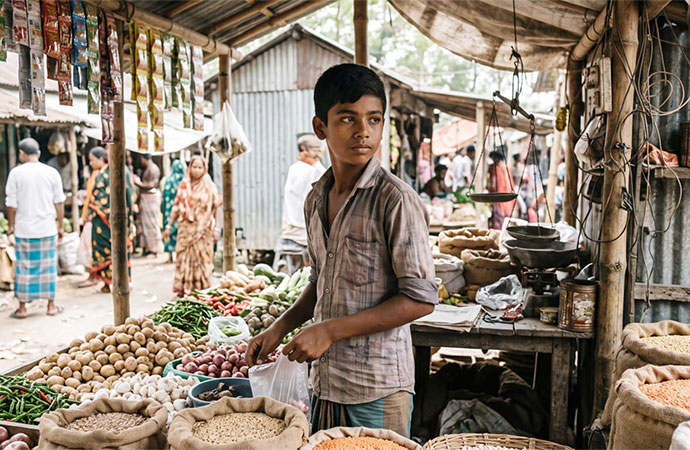
Not so long ago, many people went shopping with cloth bags that they reused for months or even years. Today, it is common to leave home empty-handed and return from the market carrying several polythene bags. This shift illustrates how convenience has become embedded in our shopping habits.
We must break that dependence on single-use plastic. Carrying a reusable bag, refusing unnecessary packaging, choosing refillable products where available and reusing containers are simple but meaningful steps. At home, separating recyclable materials from other waste can make collection and recovery easier. We must also stop throwing rubbish into drains, canals, rivers and public spaces.
Individual responsibility, however, should not become an excuse for institutional inaction. Consumers cannot be expected to manage a crisis alone when affordable alternatives, reliable collection services and convenient recycling facilities are unavailable. The government must provide the necessary infrastructure, while businesses must make sustainable choices easier and more accessible. Citizens, in turn, must use these facilities responsibly and demand better practices from both public authorities and companies.
Schools, universities, community organisations and local businesses can help build a culture in which reducing waste becomes a shared social norm. Public awareness campaigns should go beyond slogans and offer practical guidance on reducing plastic use, separating waste and disposing of it safely. Community clean-up initiatives can also help, provided they complement-not replace-effective waste collection and long-term prevention.
A shared responsibility
Plastic pollution threatens Dhaka's drainage systems, waterways, public spaces and quality of life. The consequences of inaction will be borne not only by today's residents but also by future generations.
Bangladesh's pioneering decision in 2002 and measures taken by interim government in 2024 demonstrated that the country could take bold action on plastic pollution. The task now is to turn that early ambition into lasting results. The 2026 EPR guidelines provide an important policy instrument, but their effectiveness will depend on enforcement, adequate investment, reliable data and genuine participation from businesses and citizens.
The way forward is clear: the government must enforce the law and improve waste management; businesses must reduce unnecessary packaging and take responsibility for the waste they generate; and citizens must consume more thoughtfully and dispose of waste responsibly.
Plastic pollution is not a problem that any one group can solve alone. It demands shared responsibility, supported by clear obligations and measurable outcomes.
A Independent Newsweekly
© Copyright 2026 | Designed by ARK Reepon & Developed by Cosmos Group Software Team




Leave a Comment
Recent Posts
Resting in Peace in Pirojpur
I never had the privilege of meeting freedom fighter Manik Pashari, wh ...
An impending disaster in the h ...
There has been a fresh spike in both dengue and measles cases, hospita ...
‘Stories bring us together’: Laetitia Troussel-Luber ..
A high-speed train slammed into another that had sto ..
Bangladesh and Malaysia concluded the first round of ..
CPC's international department head Liu Haixing to v ..