


Featured 1
An important show of unity, in the face of ‘crisis’


An Independent Newsweekly
Featured 1
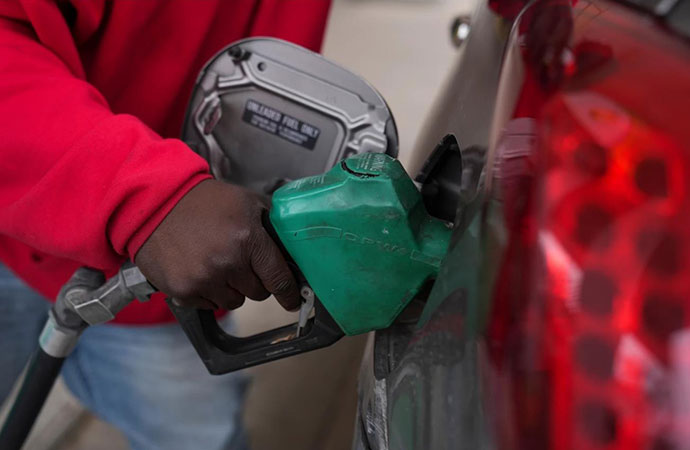
Photo: AP/UNB
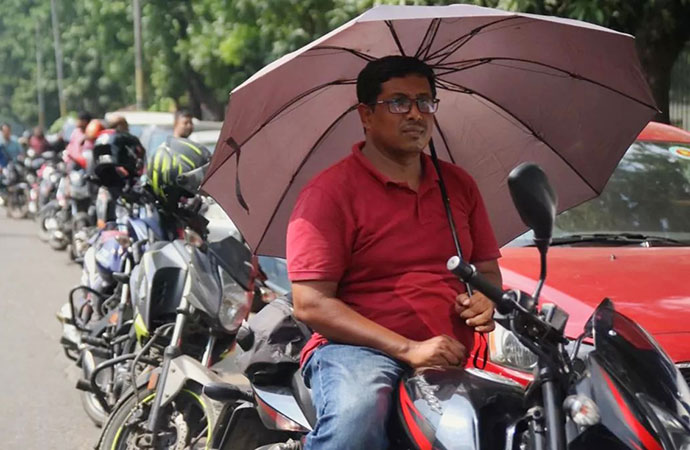
So the government was finally forced to bite the bullet this week, and raise fuel prices across the board for everything from petrol to octane, by upto 17 percent. Ever since the start of war in West Asia and associated disruption at one of the world's most critical chokepoints for the global energy market, the Strait of Hormuz, Bangladesh has witnessed a crisis-like situation at filling stations, with vehicles lining up for miles outside any station offering petrol, octane or diesel. The government however, consistently dismissed it as a case of panic buying and the market power exercised by deep-rooted criminal syndicates.
Talking to reporters at the Secretariat on March 24, Power, Energy and Mineral Resources Minister Iqbal Hasan Mahmud said the situation arose as fuel sales at petrol pumps and filling stations were being exhausted much faster than usual. The existing supply mechanism had come under strain as an unusually high number of customers were crowding petrol pumps, he explained. As if to prove there was no crisis, the government held back on approving a rise in fuel prices a week later - the last day of the month, when prices for the following month are set, under a mechanism introduced in early 2024.
Whatever the reason, the fact is that people across the country were unable to get fuel despite waiting in lines for hours on end at the filling stations, creating a multifaceted crisis in public life.
Or were, till the government found it could no longer hold off on a price increase to reflect market realities more closely. The fact that it had to scrap the system and raise prices with immediate effect in the middle of the month, can only speak to a belated awakening, but the Energy Minister was still cross with any use of the word 'crisis' in Parliament, even though a number of his colleagues on the treasury benches themselves couldn't help but call it that.
One good thing that came out of all this though, was a show of unity in the People's House, as the prime minister agreed to a proposal by the leader of the opposition and formed a joint committee with equal representation from the two sides of the aisle. The 10-member committee will be led by the Energy Minister. "These ten individuals will be able to sit together and discuss the issues. If there are any suggestions, those will reach the government through this committee, and if the government finds any of them realistic, it will certainly take steps to implement them," the prime minister said, while announcing the formation of the committee.
This initiative can only be commended, although to what extent they'll be able to ease the sense of crisis beseeching the nation, real or otherwise, remains to be seen. A more important committee might be one tasked with devising a way to move away from our current dependence on fossil fuels from the Middle East/West Asia - which admittedly would entail a more long-term undertaking and vision. From what we have seen so far though, we can be hopeful that this parliament will have the answers.
A Independent Newsweekly
© Copyright 2026 | Designed by ARK Reepon & Developed by Cosmos Group Software Team


Leave a Comment
Recent Posts
Why not zero tolerance for mea ...
While the nation continues to be swept up by World Cup fever, we must ...
The Long Present: A Dialogue A ...
The exhibition The Long Present, currently on view at Bengal Shilpalay ...
South Asia’s cultural future lies in collaboration: ..
Tribandhon: Three Artistic Voices in Conversation
A B-52 bomber crashed shortly after takeoff at a US ..
Amid intense political controversy, Bangladesh Bank ..